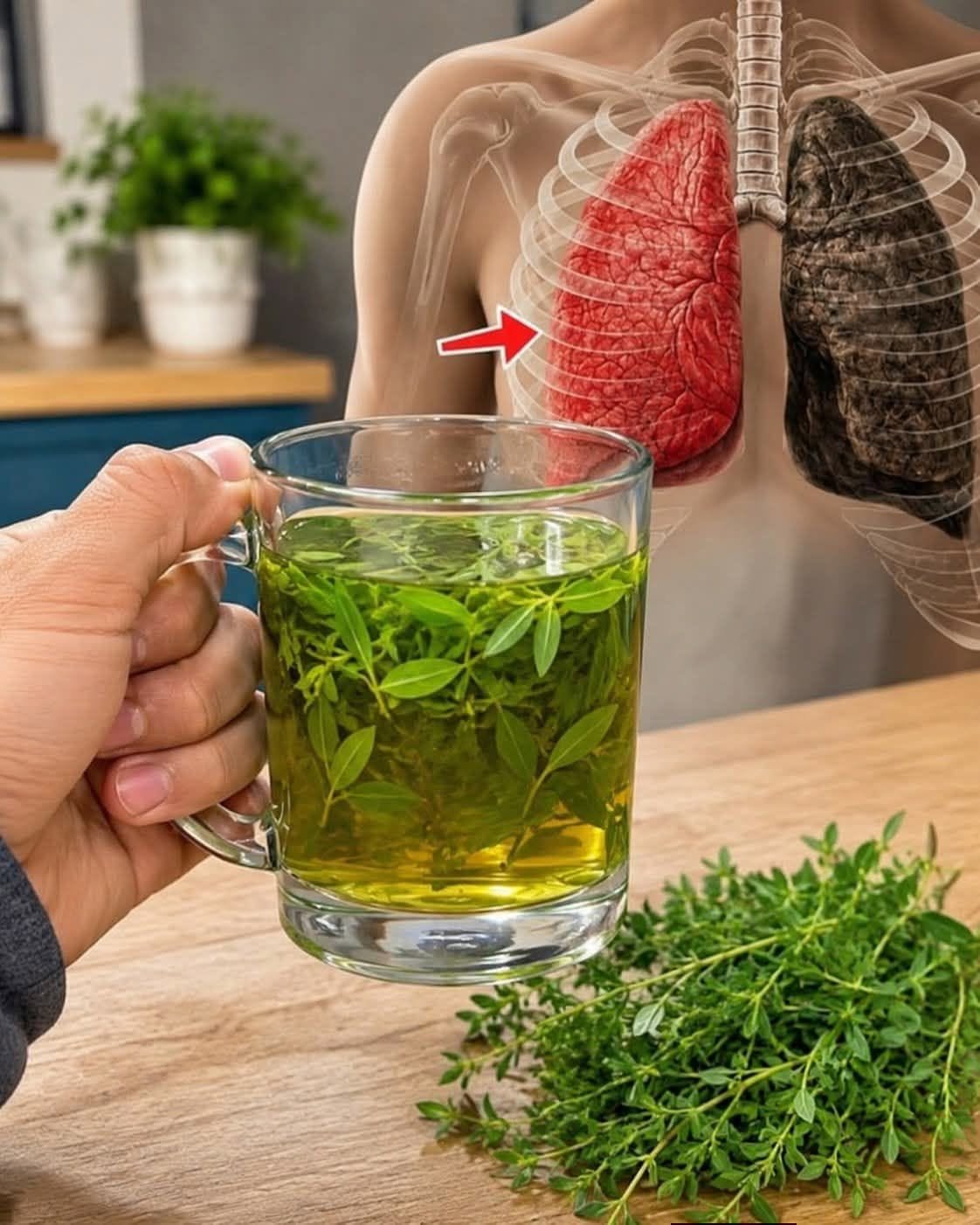
The ugly truth is that when those pathways stay jammed, the whole body starts compensating. You feel it in the chest first, then in the belly, then in the way your energy seems to vanish before the day even gets moving. And the weird part is that a plant growing near a fence line can be the thing that makes people ask, “Why didn’t anyone tell me this sooner?”
That’s not because it’s magical. It’s because the wellness machine barely whispers about a leaf that grows wild and costs almost nothing.
There’s no glossy bottle campaign for a backyard herb. No celebrity launch. No polished label promising a miracle in 30 capsules. Just a small green plant with a rough reputation and a chemistry profile that keeps irritating the people who profit from complexity.
And the mechanism gets even more interesting when you look at what it does for the body’s second bottleneck.
Why the Gut Feels the Shift Before the Rest of You Does
The belly is where the first quiet change often shows up. Euphorbia hirta’s bitter compounds can act like a wake-up call for the forgotten second brain in your belly, nudging digestion out of its stalled, bloated, backed-up pattern.
Picture a kitchen sink after a greasy dinner. The water doesn’t rush away; it swirls, hesitates, and leaves a film behind on the porcelain. That’s what sluggish digestion feels like from the inside — pressure, heaviness, and that sour, stuck sensation that makes a person rub their stomach after meals and hope it passes.
Most people blame the meal. The deeper problem is often the sluggish machinery underneath it.
Once those plant compounds start doing their work, the body doesn’t feel as jammed. The stomach stops acting like a traffic jam at rush hour, and the whole lower half of the body can feel less tight, less irritated, less loaded down by what should have moved through cleanly.
That’s the part nobody puts on the label: a warm cup can change the rhythm of the entire day. Not because it erases every problem, but because it interrupts the old pattern of dragging yourself through the morning with a belly that feels inflated and a chest that never quite opens.
And for seniors, that shift can feel huge. A person wakes up, pours the tea, inhales that sharp green smell, and suddenly the body doesn’t feel like it’s fighting every small movement. The air goes down easier. The stomach sits quieter. The day starts with less resistance.
But there’s one more place where this leaf earns its reputation, and it’s the one most people overlook completely.
The Third Shift: Why the Whole Body Feels Less Rusted
Once the lungs and gut stop screaming for attention, the rest of the body can finally come off emergency mode. Euphorbia hirta’s plant polyphenols behave like rust-stripping agents, helping the body handle the daily oxidative mess that builds up when age, stress, and poor habits keep piling on.
Think of an old bicycle left out in the rain. At first it still rolls, but the chain squeaks, the gears catch, and every turn takes more effort than it should. That’s what aging tissue starts to feel like when the internal load gets too heavy — not broken, just coated, stiffened, and harder to move.
That is why people who keep using backyard herbs often talk about a general sense of ease instead of one dramatic event. The shoulders don’t feel as knotted. The chest doesn’t feel as boxed in. The body stops announcing every single step.
And here’s the contradiction that makes this plant so annoying to the modern wellness industry: the simplest things are often the hardest to market, which is exactly why they get buried.
There’s no logo on a leaf. No patent. No giant ad budget. Just a plant that older generations recognized instantly while younger people walked right past it, never realizing it might be the very thing their bodies were asking for.
That’s why the after-picture matters. A person sits on the porch with a warm mug, the steam fogging the glass, the taste bitter and earthy on the tongue. Their breathing feels less boxed in, their belly feels less swollen, and the whole morning carries less weight than before.
So yes, the leaf matters. But the way you prepare it can either unlock that effect — or flatten it before it ever reaches the body.
Most people boil the leaves too hard until the cup turns dull and overly bitter, like overcooked greens left in the pot too long. That scorched, swampy smell is a warning sign: the very compounds you wanted start getting beaten down before they can do their job.
The next question is the one that changes everything: what simple pairing makes this backyard leaf work like it was designed to?